
WEANED CALF HEALTH: DRENCHING AND MINERALS
Weaning is one of the most stressful events an animal will go through. Stress can result in immunosuppression and inhibit the body’s ability to fight off infections that may not otherwise cause clinical disease. It is important to ensure that we support the calves’ body as much as possible to reduce the risk of disease, and to protect their naive body against worm burdens present within the pasture.
WORMS AND DRENCH
As the ambient temperature increases, so does the number of parasites (worms) in our grazing pasture. A warm and damp environment is the perfect place for worm larvae to hatch from eggs within the pasture and then be ingested (eaten) by an animal. Early summer is a particularly high-risk period for high worm burdens in cattle (including intestinal parasites, such as Cooperia, and lung worm).
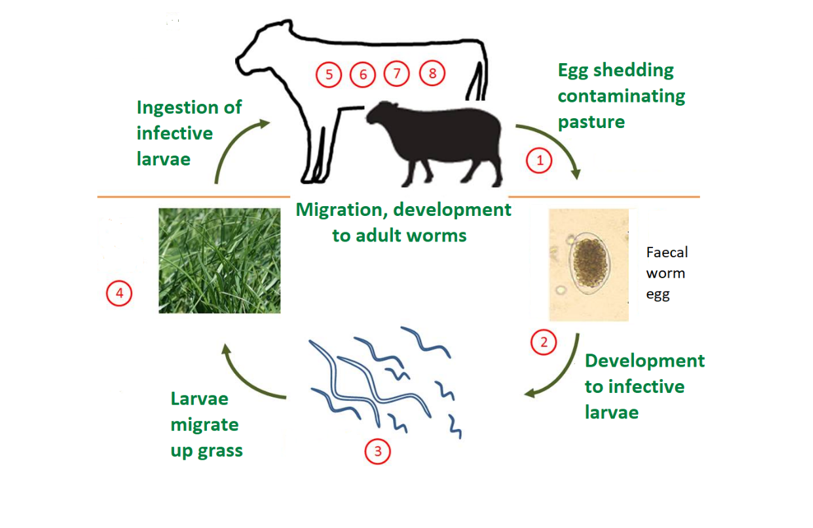
Image 1: An overview of the lifecycle of internal parasites in grazing animals.
A generalised life cycle of internal parasites of cattle can be seen in image 1. As you can see, the larvae are ingested by the calf; these then mature within the calf (this takes around 3 weeks). The adult worms (inside the calf) then produce and release eggs which are passed out in faeces, and the process is repeated.
Of course, we can’t stop all larvae from being ingested. However, there are steps we can take to reduce the number that our calves are ingesting, including grazing practices, monitoring worm burdens via faecal egg counts (FECs) and drench use. Unfortunately, drench resistance amongst internal parasites is becoming more prevalent. Therefore, it is important that we are strategic with our drench usage; by treating with products that will be effective against the worms present and not over-drenching. With weaned calves, it is a balancing act; as we don‘t want to overuse drench, but we also want to provide sufficient protection.
We have the following suggestions to reduce drench resistance in youngstock:
Use a multiple active drench (double or triple); these contain more than one active ingredient which kill worms in different ways. If a worm is resistant to one active, it will get knocked by one of the others.
Don’t graze pastures down too low as this is where the larvae like to reside! As can be seen in image 2.
Leave 5-10% of the healthiest and heaviest animals untreated; this ensures that the worms populating your pastures are the ones which haven’t had a chance to build up a drench resistance (a refugia population).
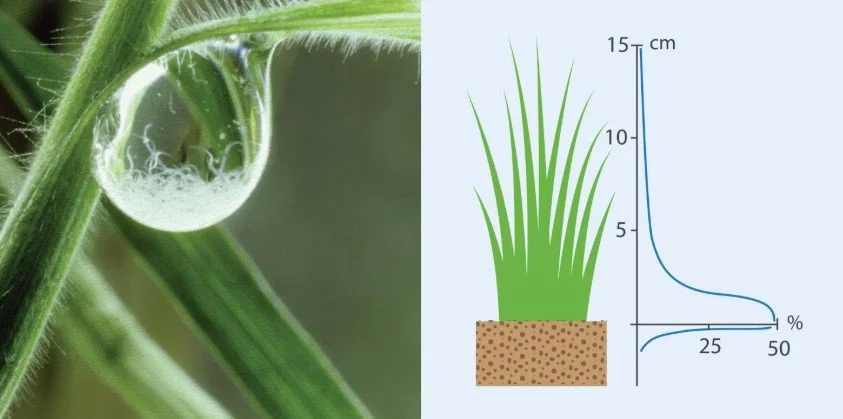
Image 2: Image supplied by https://beeflambnz.com. The graph shows that the majority (up to 95%) of larvae reside in the lower 5cm of pasture sward; so, the closer to the ground an animal grazes, the more exposed they are to intestinal parasite larvae.
For more in-depth information about internal parasites and how to prevent high burdens in your youngstock, check out the Wormwise handbook or have a chat with our large animal team!
The drenches that we have available and recommend for weaned calves include:
Turbo Initial - this is an ideal first drench for weaned calves; it has a double active against internal parasites and provides protection against coccidia*
Turbo Triple Minidose - this is a good triple action option for calves who have previously received a Turbo Initial dose around the time of weaning
Eclipse E – this is a double action, injectable option which also contains vitamin B12 and selenium. This is a good option for older calves (in January or February) to protect them against lungworms.

Of course, prevention is better than cure. Ideally, weaned calves should be moved onto clean (low contaminated) pasture. These include pastures that have not been grazed for at least one season or paddocks that have been newly sown. If this is not possible, then the pasture is likely to be heavily contaminated with larvae, and so in this instance it may be necessary to drench calves at the time of weaning.
Assessing calf worm burdens via a faecal egg count (FEC) when they are 3-4 months old is recommended. This can give us an indication of the worm burden of the pasture also (i.e. how many larvae have been picked up by the calves whilst grazing). It is a simple test to perform; all we require is a fresh, pooled faecal sample (from several calves in the group).
If you have any concerns about the efficacy of drench used (i.e. if you suspect it hasn’t worked/there could be possible resistance) then we suggest having a FEC performed 7-10 days post drenching; this allows us to determine if there is a resistance issue present.
MINERALS
These are nutrients that play a crucial role in maintaining a calf’s health and optimising growth rates. The most important minerals for our weaned calves are:
Selenium - helps animals to fight disease, grow and reproduce successfully.
Vitamin B12 (and cobalt) is very important for the rumen microbes, and so the animal itself, to be able to produce energy from the grass that is ingested. Interestingly, it has been shown that animals who receive adequate B12 have an increased ability to fight gastrointestinal parasites.
Copper – plays an important role in growth and development, as well as immune function.
There are several options available when it comes to dosing calves with minerals; some drenches contain certain minerals (such as selenium and B12) so it is really important that you check the label to make sure that you don’t double up on certain minerals - toxicity is a possibility and can be deadly. There are also separate oral dosage options available (such as a copper bolus) and injectable options such as Prolaject B12 and Multimin.
Multimin is a great option for young stock; studies have shown that it supports the body to produce optimal growth rates and reproductive performance. It is also highly convenient as it is a multi-vitamin product. A dose of multimin around the time of weaning, and then 6 weeks later is our recommendation.