
HEAT STRESS IN FARM ANIMALS
As the warmer months approach, heat stress in our farm animals is certainly something that we may see occurring. Whilst most research that has been done surrounding heat stress has involved dairy cattle; the main principles can be applicable to all farm animal species and have been summarised below. The main points of focus have been the signs to look out for (both physical and behavioural signs), and how we can prevent heat stress from occurring.
What is it:
Heat stress can be defined as ‘the sum of external factors acting on an animal that causes an increase in body temperature and results in a physiological response and changes in behaviour’. The main changes in behaviour that we see have been outlined below.
Behavioural changes:
Increased water intake
Reduced feed intake
Shifting feeding times to cooler periods of the day
Shade-seeking
Aggression
Decreased activity and movement
We may also see evidence of changes in an animals’ physiology, depending on how closely we interact with them and whether we harvest their products (e.g. milk). Milk synthesis requires a large amount of energy, if an animal is too hot (and so using energy to cool down their body temperature, and also eating less) then there is less energy that can be put into milk production; as a result we may see a reduced volume of milk produced.
Physiological changes:
Reduced milk production
Reduced reproductive performance
Increased respiration rate (panting)
Sweating
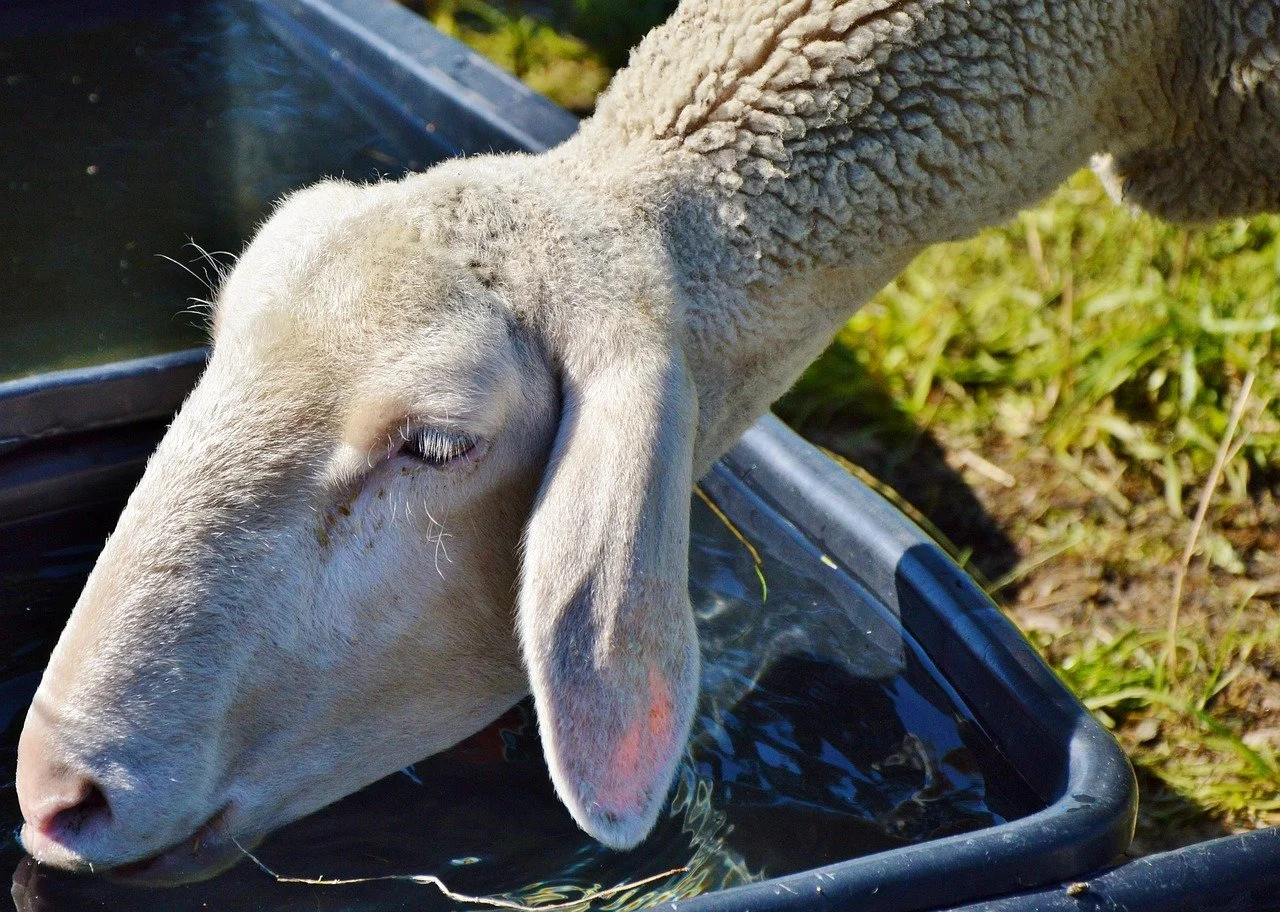
Water accessibility and shade access are considered to be the most important resources for a heat-stressed animal and therefore are the most important resources for preventing an animal from becoming heat-stressed. The provision of an adequate and fresh water supply should not be overlooked!
Plenty of adequate shade should be provided; the larger square metreage that can be provided, the better. But at least 2 meters squared per animal is advised. Providing enough shade will reduce the level of competition for access to these shaded areas. If there isn’t enough shade provided, then animals may feel a level of frustration; this is considered to be ‘an emotional state experienced when an animal fails to achieve expected gratification’. Some hypothesize that the feeling of frustration can be seen as aggression of an individual animal to their herd mates, or even their owners/handlers. It’s also important to make sure that the shade provided is of good quality and provides ideal UV protection.
Summary/Suggestions:
Provide adequate shelter for your animals to allow all animals to seek shade from the sun; reducing their body temperature, and reducing the level of frustration and aggression experienced by individuals
Provide adequate access to a clean trough(s) and fresh water supply
If in doubt, plant more trees!
Where possible, limit yarding/management practices to the cooler periods of the day